


The Masai Mara National Reserve is a national reserve located in southwestern Kenya. It is a natural extension of the Serengeti National Park located in Tanzania.
It takes its name from the tribe that lives on its land, the Maasai, and from the river that crosses it, the Mara. It is in this park that the film Cats was filmed. It is a large expanse of savannah, slightly undulating, in which many species cross paths.
The reserve is essentially made up of vast rolling savannah plains limited to the west by the Oloololo escarpment and to the south by the Sand River. The confluence of this river, the Talek and the Mara creates areas of shallow marshes which bring a great diversity of biotopes in a very characteristic place of East Africa dreamed for safaris.
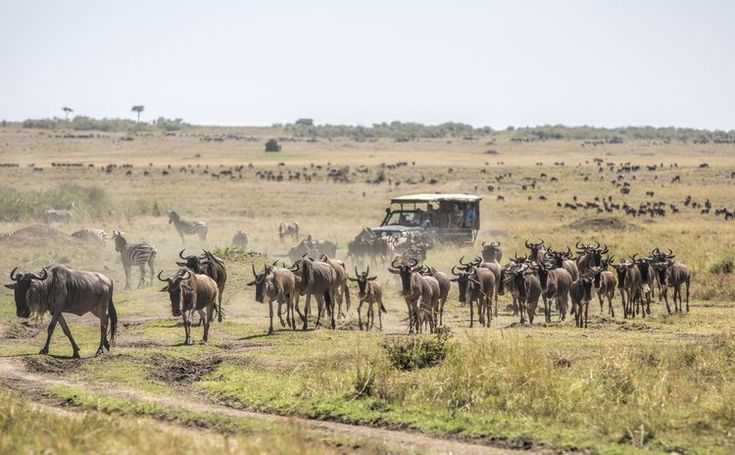
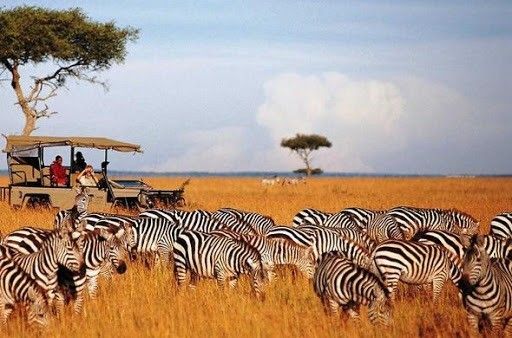
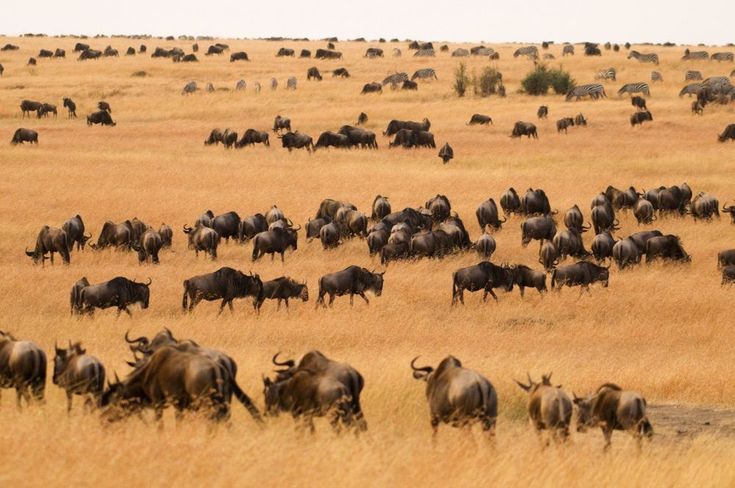
Less frequented than the Serengeti, the reserve is a superb place to observe the migration of wildebeest, zebras, Thomson’s gazelles and other animals twice a year, in particular when they cross the Mara River. These herbivores, stopped by the presence of water (and the predators that await them there), gather in herds that can exceed 10,000 head before throwing themselves into the water. The concentration of animals, the intense activity of the predators (mainly lions, crocodiles, leopards and hyenas) and the spectacular nature of certain crossings create a stunning spectacle even if the violence of the struggle for life is very present.
Access is relatively complicated. The park can be reached from Nairobi by plane (about 70 minutes of flight) or by car (about 8 hours of roads, in very poor condition, and tracks). Nevertheless, tourism is relatively well developed there thanks to the six access gates (Oloololo Gate and Musiara Gate in the North, Talek Gate and Sekanani Gate in the East, Ololaimutia Gate and Sand River Gate in the South) and four dirt airstrips.
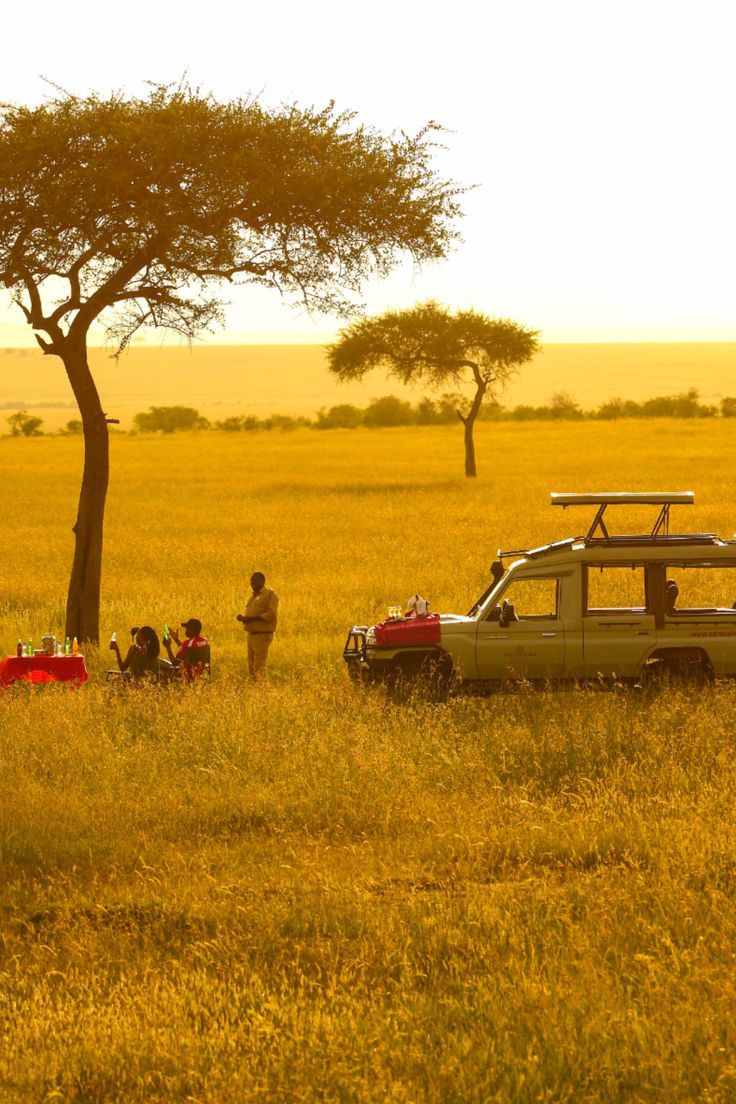
A popular destination for amateur photographers sometimes put off by the high entrance fees to Tanzania’s natural parks, it is the preferred place of activity of a couple of French wildlife photographers, Michel Denis-Huot and Christine Denis-Huot who live there for a large part of the year. Many tourists also meet there.


