

Embarking on a Kenyan safari is often envisioned as a complete immersion in nature, a digital detox where the only connection you crave is with the majestic wildlife and stunning landscapes. While the allure of disconnecting is undeniable, the reality for many modern travelers is the need, or at least the desire, to stay connected – whether to share breathtaking moments with loved ones, manage work remotely, or simply stay informed. Navigating the world of internet and connectivity in the vast and often remote wilderness of Kenya requires understanding your options, managing expectations, and making informed choices. This comprehensive guide will delve into the intricacies of staying connected during your Kenyan safari adventure.
The Connectivity Landscape: Challenges and Possibilities
Kenya’s infrastructure has seen significant advancements in recent years, particularly in mobile network coverage.1 However, the vastness of its national parks and the remoteness of many safari lodges present unique challenges to consistent and high-speed internet access.2 Here’s a breakdown of the factors influencing connectivity in safari regions:
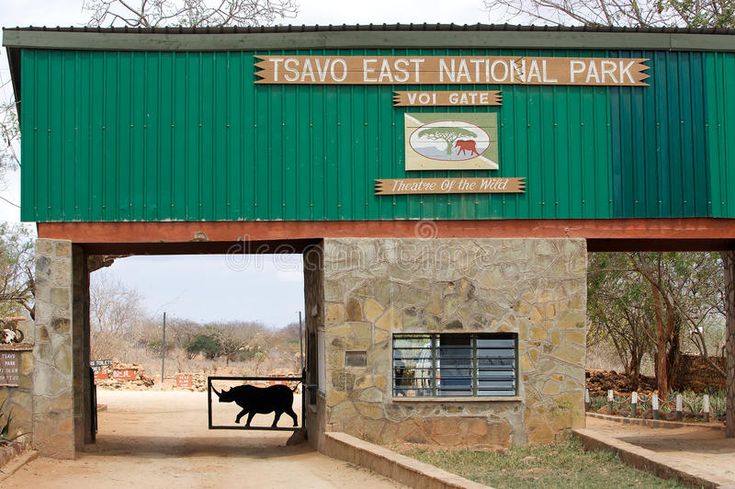
- Terrain and Distance: National parks like the Masai Mara, Tsavo East and West, and Amboseli cover enormous areas, often with varied terrain including plains, hills, and forests. Extending reliable network coverage across such distances, especially in sparsely populated areas, is a logistical and financial undertaking.
- Infrastructure Limitations: Setting up and maintaining robust internet infrastructure in remote locations is complex. Power supply can be unreliable, and laying down fiber optic cables or installing numerous cell towers can be challenging and costly.3
- Wildlife Preservation: The priority within national parks is the preservation of the natural environment and wildlife. Extensive infrastructure development for connectivity might be seen as intrusive and potentially disruptive to the ecosystem.
- Varying Lodge Standards: Accommodation options on safari range from basic campsites to ultra-luxury lodges.4 The level of internet provision often reflects the price point and the lodge’s commitment to guest amenities.
Despite these challenges, connectivity options do exist and are continually improving. Understanding these options will help you plan and manage your expectations.
Your Connectivity Options on Safari:
- Mobile Data (SIM Cards and Roaming):
- Local SIM Card: Purchasing a local SIM card upon arrival in Kenya is often the most cost-effective way to access mobile data if your phone is unlocked. Major Kenyan mobile network operators like Safaricom, Airtel, and Telkom Kenya offer various data bundles suitable for short-term visitors. You can typically purchase these SIM cards and bundles at airports, major towns, and authorized dealers.5
- Pros: Generally more affordable than international roaming, often offers faster data speeds within covered areas, supports local mobile money services (though less relevant for short-term tourists).
- Cons: Requires an unlocked phone, setting up the SIM card upon arrival can take time, coverage can be patchy or non-existent within remote park areas, you’ll have a local phone number.
- International Roaming: Your home mobile network provider might offer international roaming packages for Kenya. While convenient as you don’t need to change SIM cards, roaming charges can often be significantly higher than using a local SIM. Check with your provider before your trip to understand the costs and data allowances.
- Pros: Convenience of using your existing phone number, no need to purchase and set up a local SIM card.
- Cons: Can be very expensive, data speeds might be slower depending on the roaming agreement, coverage still depends on the local network availability.
- Local SIM Card: Purchasing a local SIM card upon arrival in Kenya is often the most cost-effective way to access mobile data if your phone is unlocked. Major Kenyan mobile network operators like Safaricom, Airtel, and Telkom Kenya offer various data bundles suitable for short-term visitors. You can typically purchase these SIM cards and bundles at airports, major towns, and authorized dealers.5
- Wi-Fi at Lodges and Camps:
- Many safari lodges and camps, especially mid-range to luxury options, offer Wi-Fi access to their guests.6 However, the quality, speed, and availability can vary greatly:
- Lobby/Common Areas Only: Some establishments might only provide Wi-Fi in designated common areas like the reception, dining hall, or lounge. You might not have access in your room or tent.
- Limited Bandwidth: Due to the remote locations, the internet connection might rely on satellite or other less robust technologies, resulting in limited bandwidth. This means speeds can be slow, especially when multiple guests are online simultaneously. Activities like video calls or streaming might be challenging.
- Charging Fees: While some lodges offer complimentary Wi-Fi, others might charge a fee, either per day, per device, or based on data usage. Inquire about the Wi-Fi policy before or upon arrival.
- Reliability: Weather conditions and technical issues can sometimes affect the reliability of the Wi-Fi connection in remote areas. Be prepared for occasional outages.
- Luxury vs. Budget: Generally, higher-end lodges are more likely to offer better and more widespread Wi-Fi access. Budget camps might have limited or no Wi-Fi.
- Questions to Ask Your Accommodation: When booking or upon arrival, inquire specifically about the availability, cost, speed, and coverage area of the Wi-Fi.
- Many safari lodges and camps, especially mid-range to luxury options, offer Wi-Fi access to their guests.6 However, the quality, speed, and availability can vary greatly:
- Satellite Internet:
- Some remote lodges and research facilities rely on satellite internet for connectivity. While this allows for internet access in areas with no cellular coverage, it is often expensive and can have significant latency (delay), making real-time communication like video calls difficult. Bandwidth is also typically limited. This is less likely to be a direct option for individual tourists but rather the underlying technology for some lodge Wi-Fi.
- Portable Wi-Fi Hotspots:
- You can consider renting a portable Wi-Fi hotspot device for your trip. These devices connect to local mobile networks and create a personal Wi-Fi network that multiple devices can connect to.
- Pros: Can offer better coverage than relying solely on lodge Wi-Fi, allows multiple devices to connect, potentially more cost-effective than individual roaming for multiple users.
- Cons: Requires renting the device and potentially purchasing a local data SIM for it, battery life needs to be managed, coverage still depends on local mobile network availability.
- You can consider renting a portable Wi-Fi hotspot device for your trip. These devices connect to local mobile networks and create a personal Wi-Fi network that multiple devices can connect to.
Tips for Staying Connected (or Disconnected) on Safari:
- Research Coverage Maps: Before your trip, check the coverage maps of Kenyan mobile network operators for the specific regions you will be visiting. This will give you an idea of where you might expect cellular service.
- Prioritize Your Needs: Determine how crucial connectivity is for you. Is it essential for work, staying in touch, or simply sharing photos? This will help you decide which option best suits your needs and budget.
- Inform Your Travel Companions: Discuss connectivity expectations with your travel group beforehand to avoid misunderstandings.
- Embrace the Digital Detox (Partially): While staying connected might be necessary, try to allocate specific times for checking emails or social media and otherwise immerse yourself in the safari experience. The wildlife won’t wait for your Instagram update!
- Download Offline Content: If you anticipate limited connectivity, download maps, language translation apps, e-books, and any other essential offline content before your trip.
- Utilize Lodge Amenities Wisely: If your lodge offers Wi-Fi, make the most of it during designated times, keeping in mind that bandwidth might be shared.
- Consider a Local SIM for Longer Stays: If you are spending a significant amount of time in Kenya and plan to travel beyond safari areas, a local SIM card is likely the most economical option.
- Battery Management: Connectivity can drain your device’s battery quickly, especially in areas with weak signals.7 Carry a portable power bank to ensure you can stay connected when needed and capture those crucial photos.
- Be Patient: Internet connectivity in remote areas is not always reliable or fast. Practice patience and understand that occasional disruptions are part of the experience.
- Inform Your Lodge of Critical Connectivity Needs: If you have essential connectivity requirements for work or other reasons, inform your lodge in advance so they can advise you on the best options available.
- Respect Local Customs: Be mindful of when and where you use your devices, especially in cultural settings or during interactions with local communities.
The Ethical Considerations of Connectivity:
While staying connected can enhance your travel experience in some ways, it’s also important to consider the ethical implications:
- Distraction from the Experience: Spending excessive time online can detract from the unique opportunity to observe wildlife and connect with nature.
- Noise Pollution: Loud phone calls or notifications can disturb the tranquility of the wilderness and potentially startle animals. Be mindful of your surroundings and use headphones when necessary.
- Privacy: Be respectful of the privacy of other guests and local communities when sharing photos and videos online.
Staying connected on a Kenyan safari is increasingly feasible, but it requires a realistic understanding of the challenges and available options. Whether you choose to rely on a local SIM card, utilize lodge Wi-Fi, or embrace a partial digital detox, planning ahead and managing your expectations will ensure a smoother and more enjoyable trip. Ultimately, the goal is to find a balance that allows you to share your incredible experiences while fully appreciating the unparalleled beauty and wonder of the Kenyan wilderness. So, go forth, explore the majestic landscapes and captivating wildlife, and connect with the magic of Kenya, with your digital needs managed and your senses fully engaged in the adventure of a lifetime.