

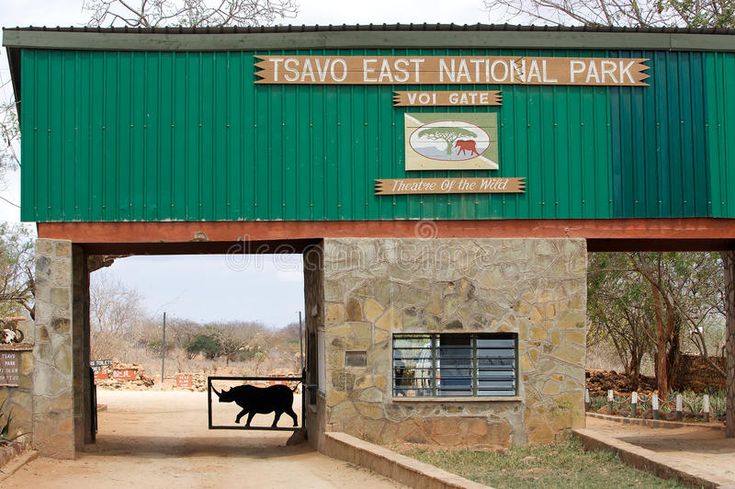
Kenya, a land synonymous with iconic safaris and breathtaking wildlife encounters, often conjures images of the vast plains of the Masai Mara or the shadow of Kilimanjaro falling over Amboseli.1 Yet, stretching across a significant portion of southeastern Kenya lies a colossal wilderness, a land of dramatic landscapes and captivating history: Tsavo National Park.2 Divided by the Nairobi-Mombasa highway and railway into Tsavo East and Tsavo West, this is not just Kenya’s largest national park, but one of the grandest wildlife sanctuaries on Earth, teeming with both well-known wonders and a wealth of hidden gems waiting to be discovered by the adventurous traveler.3
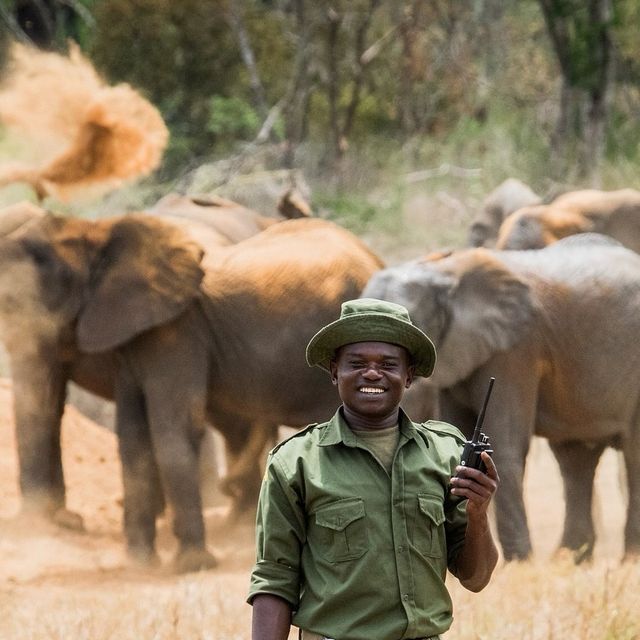
Spanning approximately 22,000 square kilometers, Tsavo offers a safari experience distinct from its more famous counterparts. Here, the crowds are thinner, the landscapes more rugged, and the sense of untamed wilderness profoundly palpable. The iconic red dust, a hallmark of Tsavo’s terrain, coats everything, from the elephants that wallow in its embrace to the hardy vegetation that stubbornly thrives.4 This vastness and variety promise an adventure that goes beyond ticking off the “Big Five” and delves into the heart of East Africa’s wild soul.
Tsavo East: The Theatre of the Wild
Tsavo East, the larger of the two siblings, presents a classic savannah landscape punctuated by open plains, acacia bushland, and the meandering Galana River.5 It’s a land where you can often witness large herds of wildlife stretching to the horizon, offering a true sense of the scale of Africa.
Iconic Wildlife and Where to Find Them:
- The Red Elephants: Perhaps Tsavo East’s most famous residents, these majestic creatures aren’t a unique subspecies but rather ordinary African bush elephants with a distinct rusty hue acquired from the park’s iron-rich red soil. Witnessing these gentle giants dust-bathing or drinking at waterholes is an unforgettable sight. They are prevalent throughout Tsavo East, often seen near the Aruba Dam along the Voi River, a vital water source that attracts a plethora of wildlife, especially during the dry season.6
- The Man-Eaters of Tsavo: History echoes through Tsavo East, most notably in the legendary tale of the man-eating lions that terrorized railway construction workers in the late 19th century.7 While such incidents are thankfully a thing of the past, the park still boasts a healthy lion population, often with impressive manes. Keep an eye out in the open grasslands and near water sources, particularly during early morning or late afternoon game drives.
- Hirola Antelope: For the avid wildlife enthusiast, Tsavo East offers the chance to spot the critically endangered Hirola, also known as Hunter’s hartebeest.8 This graceful antelope is endemic to a small region on the Kenya-Somalia border, and Tsavo East represents a crucial stronghold for their survival. They tend to inhabit the open, grassy plains.
- Other Abundance: Beyond the iconic species, Tsavo East teems with life, including buffalo, giraffe, zebra, various antelope species like lesser kudu and gazelles, and predators such as cheetahs, leopards, and wild dogs.9 The Yatta Plateau, the world’s longest lava flow stretching for nearly 300 kilometers, provides a unique elevated vantage point for spotting wildlife across the plains.10
Hidden Gems and Unique Experiences in Tsavo East:
- Mudanda Rock: Rising dramatically from the plains, this 1.6-kilometer inselberg acts as a natural water catchment, with a dam at its base that attracts a multitude of animals, especially during dry spells.11 Climbing to the top offers panoramic views of the surrounding landscape and excellent wildlife spotting opportunities. The rock itself, with its natural “staircase,” is a fascinating geological feature.
- Lugard Falls: Contrary to its name, Lugard Falls isn’t a vertical cascade but rather a series of thrilling white-water rapids on the Galana River. The river carves its way through a narrow gorge, creating a dramatic and noisy spectacle. Keep an eye out for crocodiles basking on the rocks and hippos wallowing in the calmer sections of the river nearby. The surrounding area is also ideal for guided nature walks, offering a different perspective of the park’s flora and fauna.
- Kanderi Swamp: Located along the Voi River, this lush swamp acts as a vital water source, drawing a significant concentration of wildlife. It’s a fantastic spot for birdwatching, with a variety of waterbirds often sighted. Patience while observing the swamp can reward you with sightings of elephants, buffalo, and various antelope coming to drink.
- The Yatta Plateau Exploration: While its vastness can be appreciated from afar, venturing onto the Yatta Plateau offers a unique perspective. This ancient lava flow, formed by eruptions from the Ol Doinyo Sabuk Mountain, supports distinct vegetation and offers expansive views.12 Guided walks or drives across sections of the plateau provide insights into the geological history of the region.
Tsavo West: A Land of Dramatic Landscapes and Springs
In contrast to the open plains of its eastern counterpart, Tsavo West presents a more varied and dramatic topography. Volcanic hills, rocky outcrops, dense vegetation, and the crystal-clear waters of Mzima Springs define this section of the park.13
Iconic Wildlife and Where to Find Them:
- Black Rhinos at Ngulia Rhino Sanctuary: Tsavo West is home to the Ngulia Rhino Sanctuary, a fenced area dedicated to the protection of the critically endangered black rhino.14 Visiting the sanctuary offers a unique opportunity to contribute to conservation efforts and, with luck, spot these magnificent creatures in a secure environment. Guided tours provide valuable insights into rhino conservation.
- Large Mammals Amidst Diverse Terrain: While perhaps not as easily spotted in large herds as in Tsavo East due to the denser vegetation, Tsavo West still harbors a significant population of elephants (though they might not be as consistently red-dusted), buffalo, leopards, and lions, often adapted to the more rugged environment. Keep an eye out in the riverine areas and around water sources.
- Lake Jipe’s Aquatic Life: Situated in the southwestern corner of Tsavo West, bordering Tanzania, Lake Jipe is a shallow, alkaline lake fed by the Lumi River from Mount Kilimanjaro.15 It’s a haven for birdlife, attracting a wide variety of species, including African skimmers, pygmy geese, and various herons and storks.16 Boat safaris on the lake offer excellent birdwatching opportunities and chances to spot hippos and crocodiles.
Hidden Gems and Unique Experiences in Tsavo West:
- Mzima Springs: An Oasis of Life: These four natural springs are a true marvel, pumping out over 250 million liters of crystal-clear water daily from underground volcanic rock. The lush vegetation surrounding the springs attracts a variety of wildlife, including hippos, crocodiles, numerous fish species, and primates like vervet and Sykes’ monkeys. A unique underwater viewing chamber allows visitors to observe the hippos and fish in their natural habitat without disturbing them. Guided walks around the springs offer insights into the delicate ecosystem.
- Shetani Lava Flow and Caves: A Volcanic Wilderness: The Shetani Lava Flow, a stark black expanse of solidified lava stretching for about 4 kilometers, is a dramatic reminder of the region’s volcanic past.17 Formed just a few hundred years ago, local folklore attributes its creation to the devil (“Shetani” in Swahili). Exploring the rugged terrain and the nearby Shetani Caves offers a glimpse into the geological forces that shaped this landscape.
- Chaimu Crater: Hiking to Panoramic Views: Rising from the plains, the Chaimu volcanic crater presents an opportunity for a short but rewarding hike.18 The climb to the top offers breathtaking panoramic views of Tsavo West’s diverse landscapes, including the distant Chyulu Hills and even Mount Kilimanjaro on a clear day. The crater itself, composed of black lava stones, is a striking geological feature.
- The Chyulu Hills: A Green Sanctuary: While technically bordering Tsavo West, the Chyulu Hills are closely linked to the park’s ecosystem, acting as a vital water catchment area.19 These relatively young volcanic hills are covered in lush cloud forests and offer fantastic hiking opportunities, with stunning views and a chance to explore a different habitat compared to the savannah plains.
- First World War History: Tsavo West bears historical significance as the site of some of the lesser-known battles of the East African Campaign during World War I.20 Exploring remnants and learning about this history adds another layer of interest to the adventurous traveler.
Planning Your Tsavo Adventure:
Venturing into Tsavo requires careful planning to make the most of this vast and diverse park:
- Best Time to Visit: The dry seasons (June to October and January to February) are generally considered the best times for wildlife viewing as animals congregate around water sources and vegetation is less dense.21 However, each season offers a unique perspective, with the green season bringing lush landscapes and excellent birdwatching.
- Accommodation: Tsavo offers a range of accommodation options, from budget-friendly campsites to luxurious lodges and tented camps, catering to different preferences and budgets.22 Consider staying within both Tsavo East and West to fully experience the unique characteristics of each section.
- Getting There: Tsavo is accessible by road from Nairobi and Mombasa. The journey can be long, so consider breaking it up or opting for a domestic flight to one of the park’s airstrips for a quicker transfer. The Standard Gauge Railway (SGR) also passes through Tsavo, offering another travel option.23
- Safari Options: Game drives are the most common way to explore Tsavo, with morning and late afternoon being the prime times for wildlife viewing. Consider incorporating guided nature walks in designated areas for a more immersive experience. Birdwatching excursions, especially around Lake Jipe and Mzima Springs, are highly rewarding.
- What to Pack: Essentials include lightweight and breathable clothing, sturdy walking shoes, a hat, sunglasses, sunscreen, insect repellent, binoculars, a camera with a good zoom lens, and a reusable water bottle.24
Tsavo National Park is more than just a safari destination; it’s an adventure into a raw and untamed Africa. Its sheer size, diverse landscapes, rich history, and abundance of wildlife, both iconic and elusive, offer a unique and rewarding experience for those willing to venture beyond the well-trodden paths. From the red-dusted elephants of the east to the volcanic wonders and spring-fed oases of the west, Tsavo holds a wealth of hidden gems waiting to be unearthed, promising an unforgettable journey into the heart of Kenya’s wild grandeur. So, pack your sense of adventure and prepare to be captivated by the untamed beauty of Tsavo, Kenya’s largest and perhaps most underrated natural treasure.